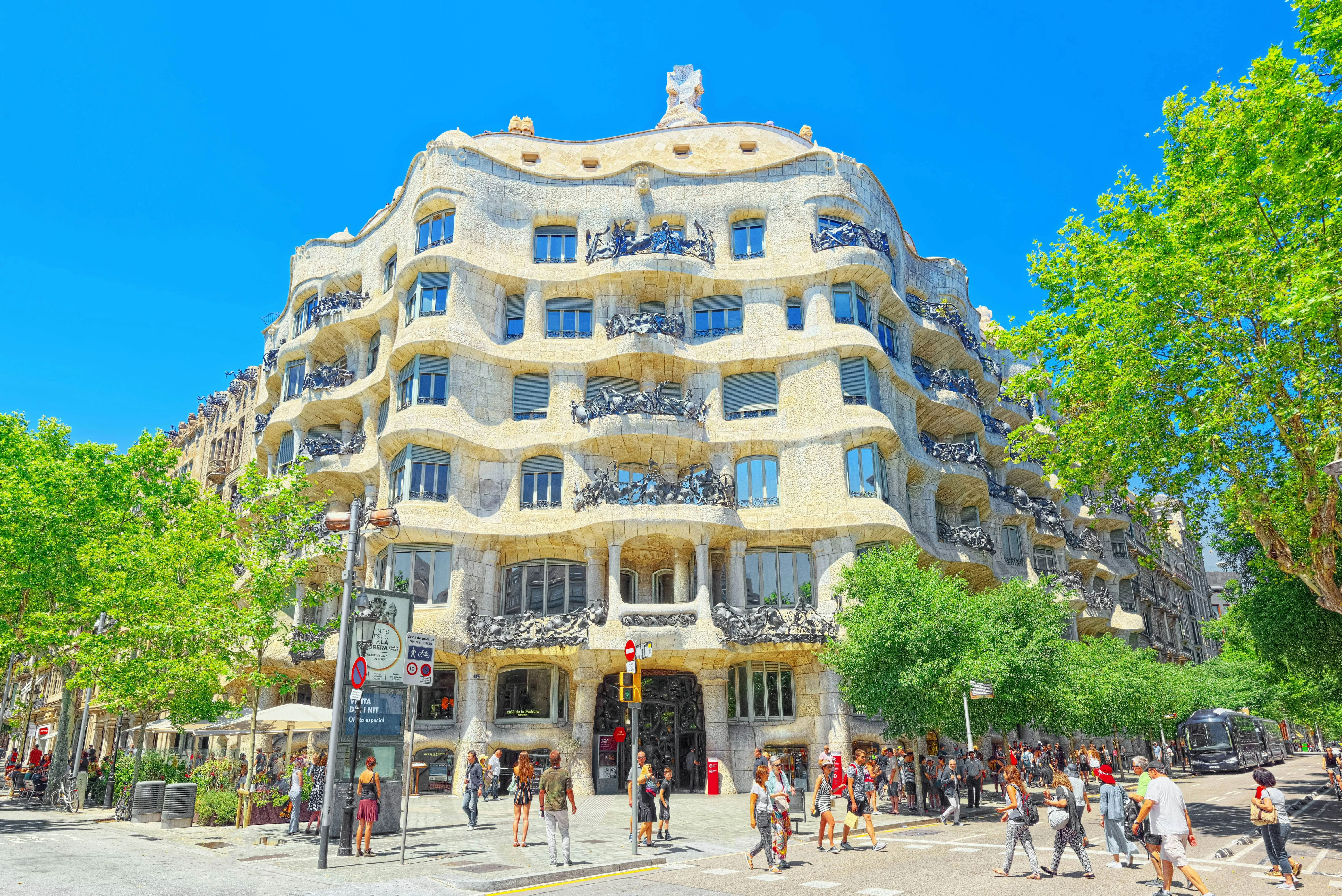
Casa Milà (La Pedrera): Vision, Structure, and a Living Stone Façade
Gaudí’s radical apartment house where stone flows like waves, light wells breathe, and the rooftop becomes a sculptural landscape.
→
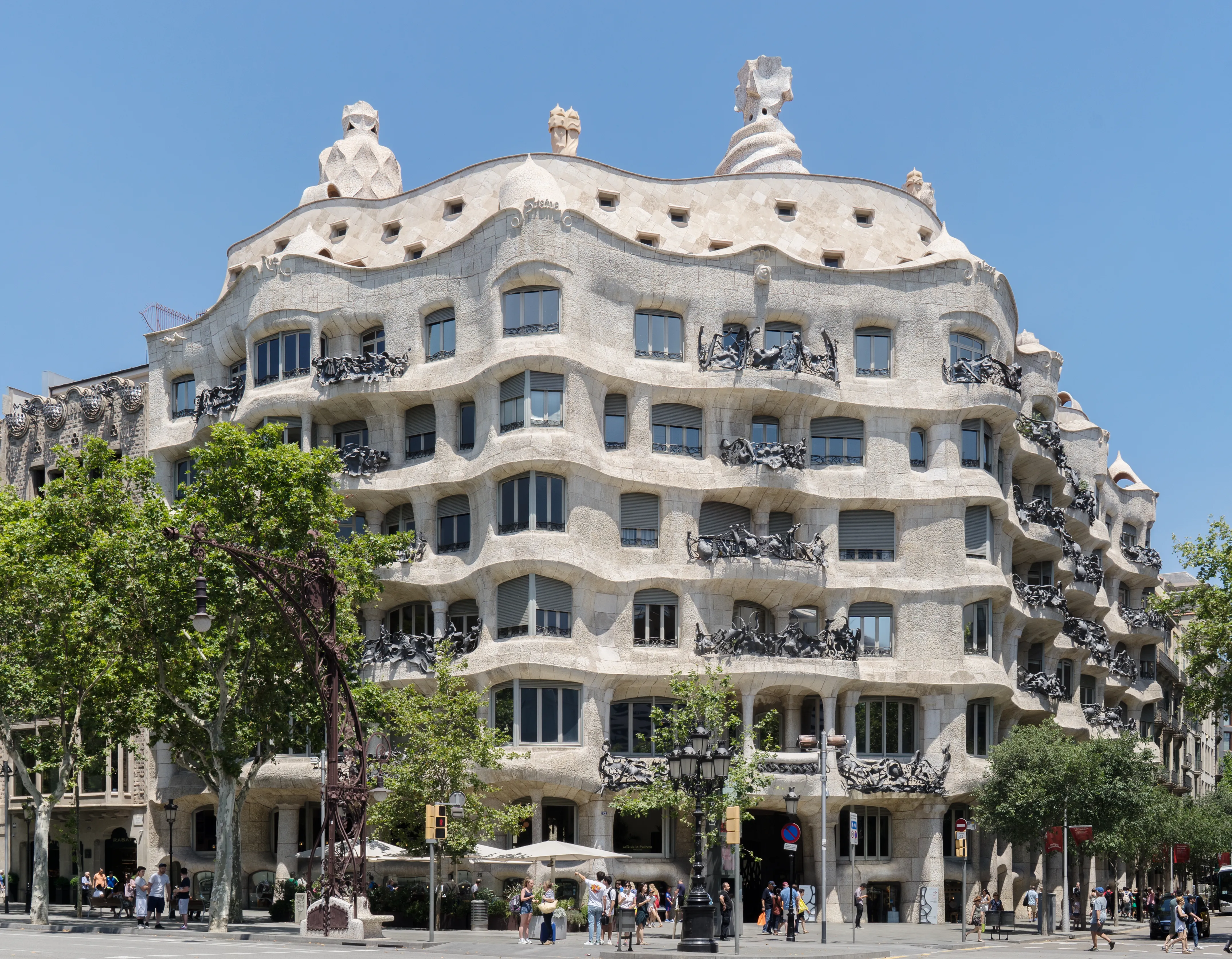
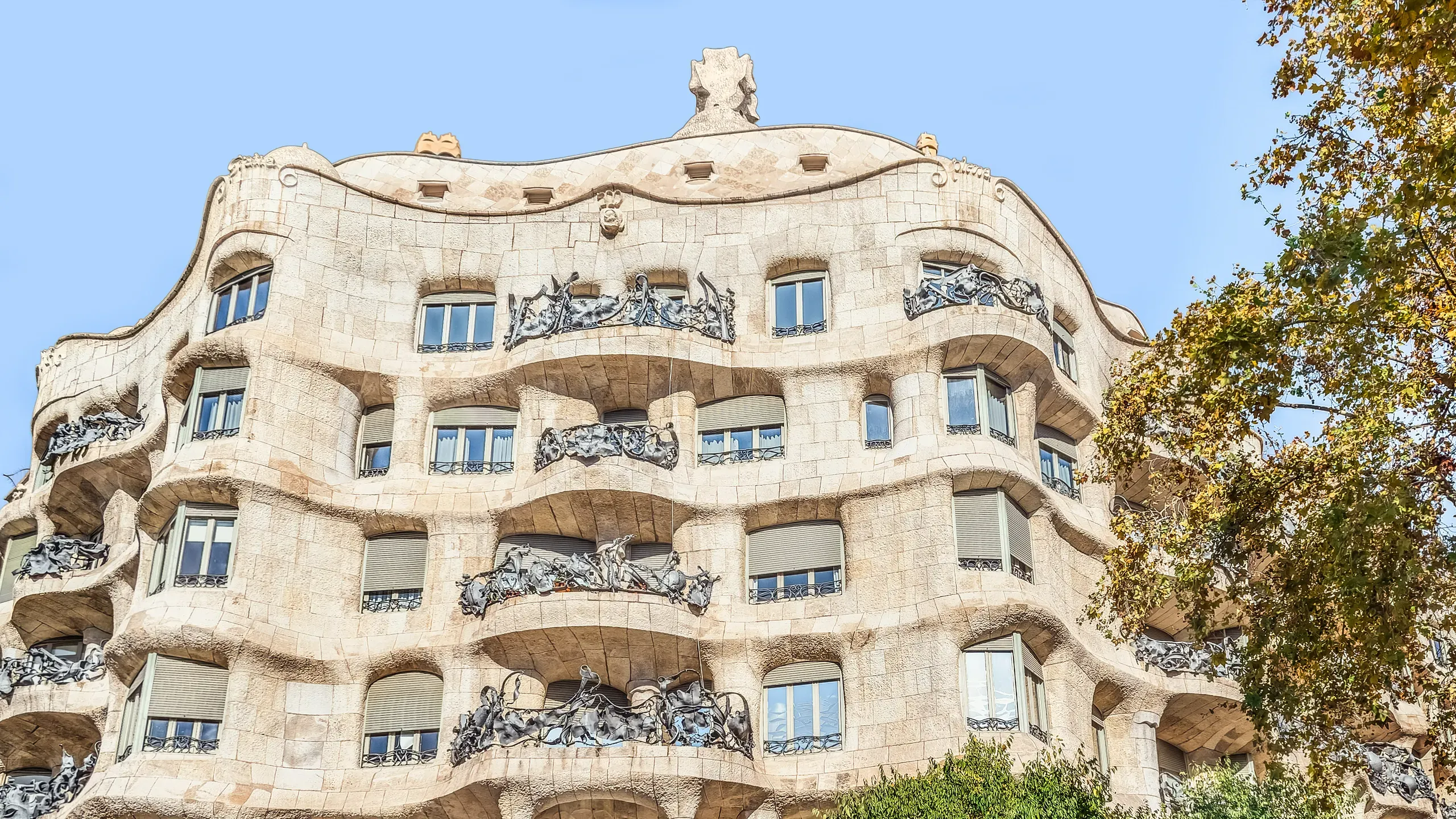
The Flowing Stone Façade: Geometry, Craft, and Urban Light
How Casa Milà’s undulating limestone, iron balconies, and subtle asymmetry choreograph light and shadow across Passeig de Gràcia.
→
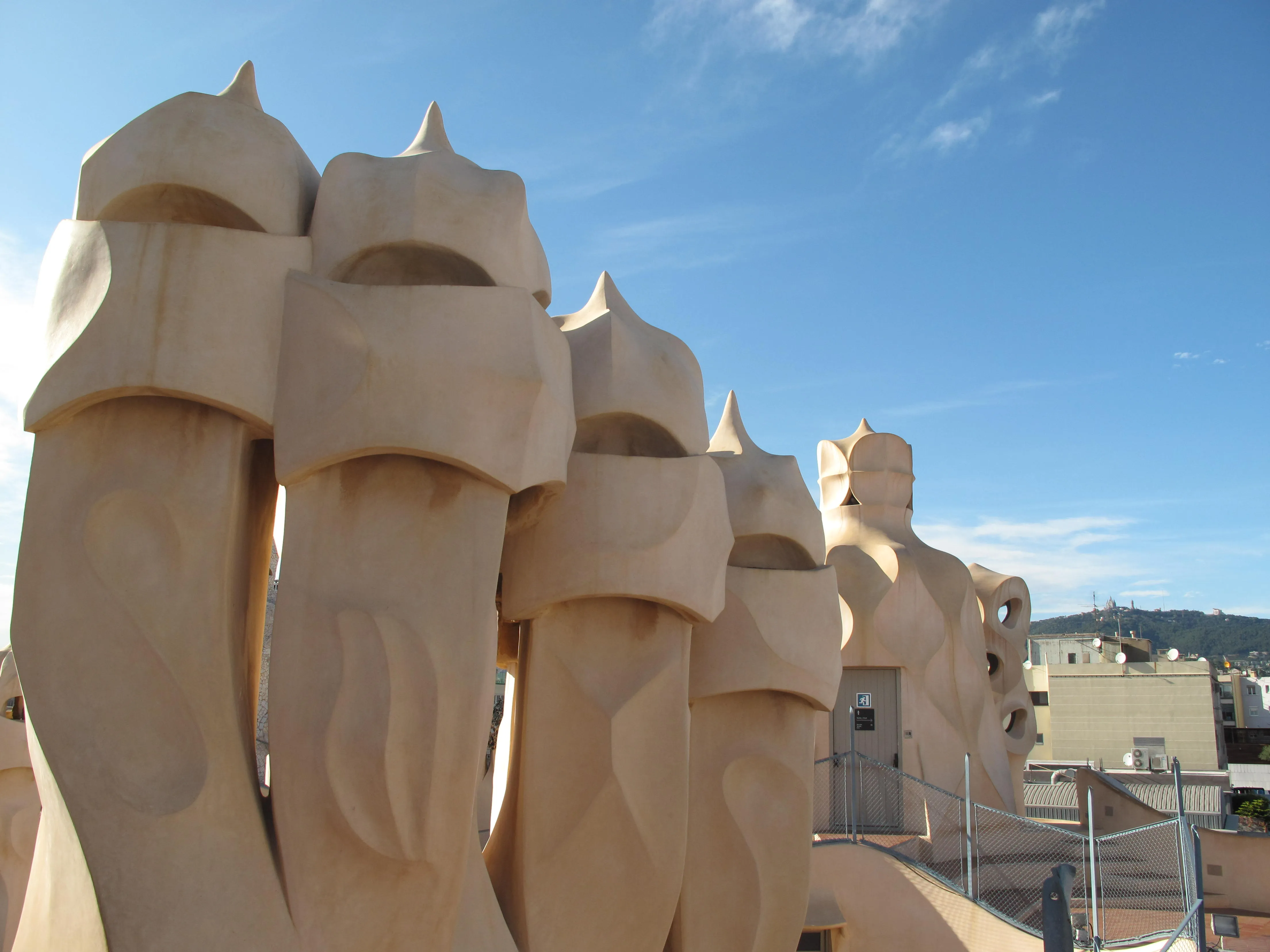
Rooftop Guardians: Chimneys, Stair Drums, and the Skyline Stage
On La Pedrera’s rooftop, chimneys become guardians and ventilation becomes sculpture — a walkable field of forms against Barcelona’s sky.
→
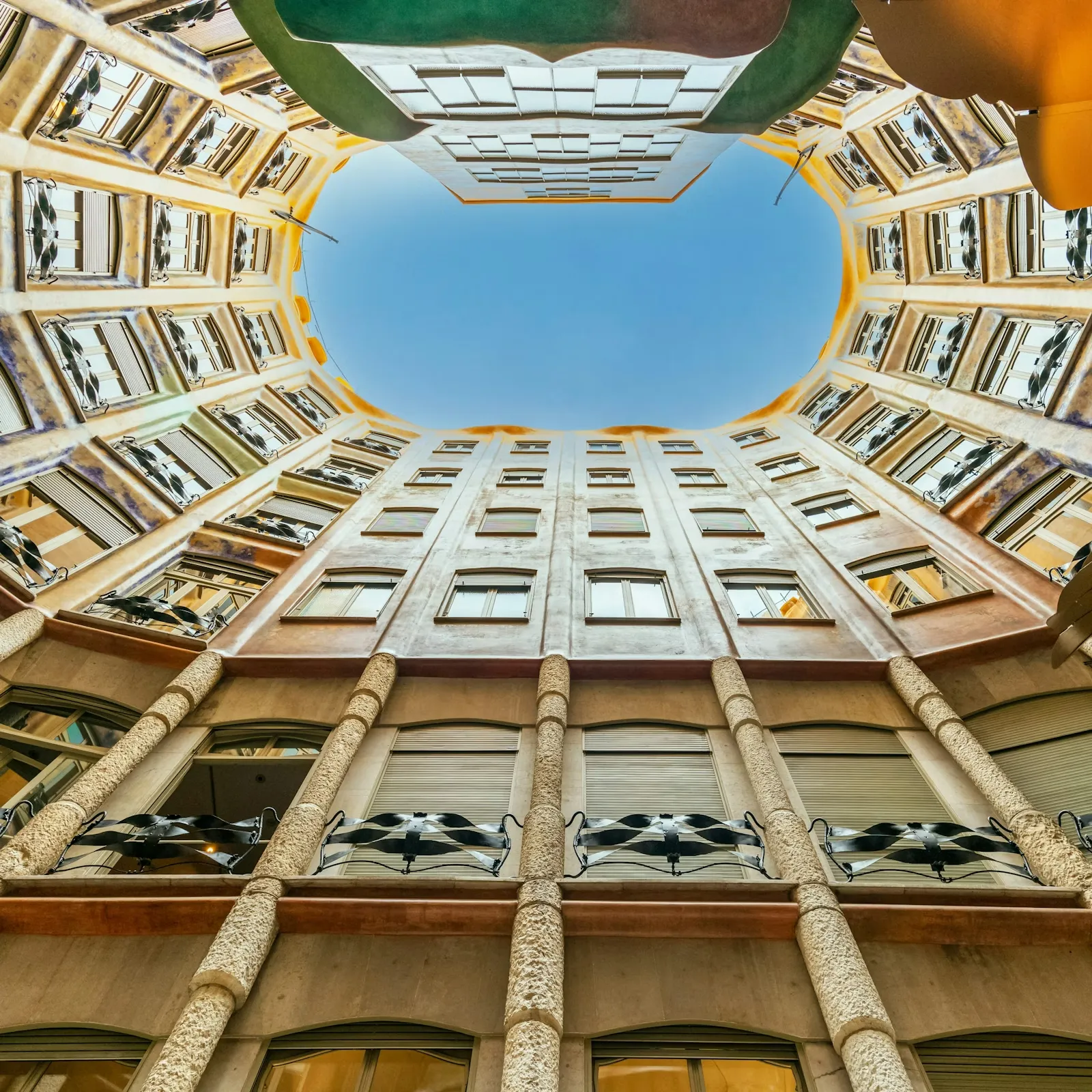
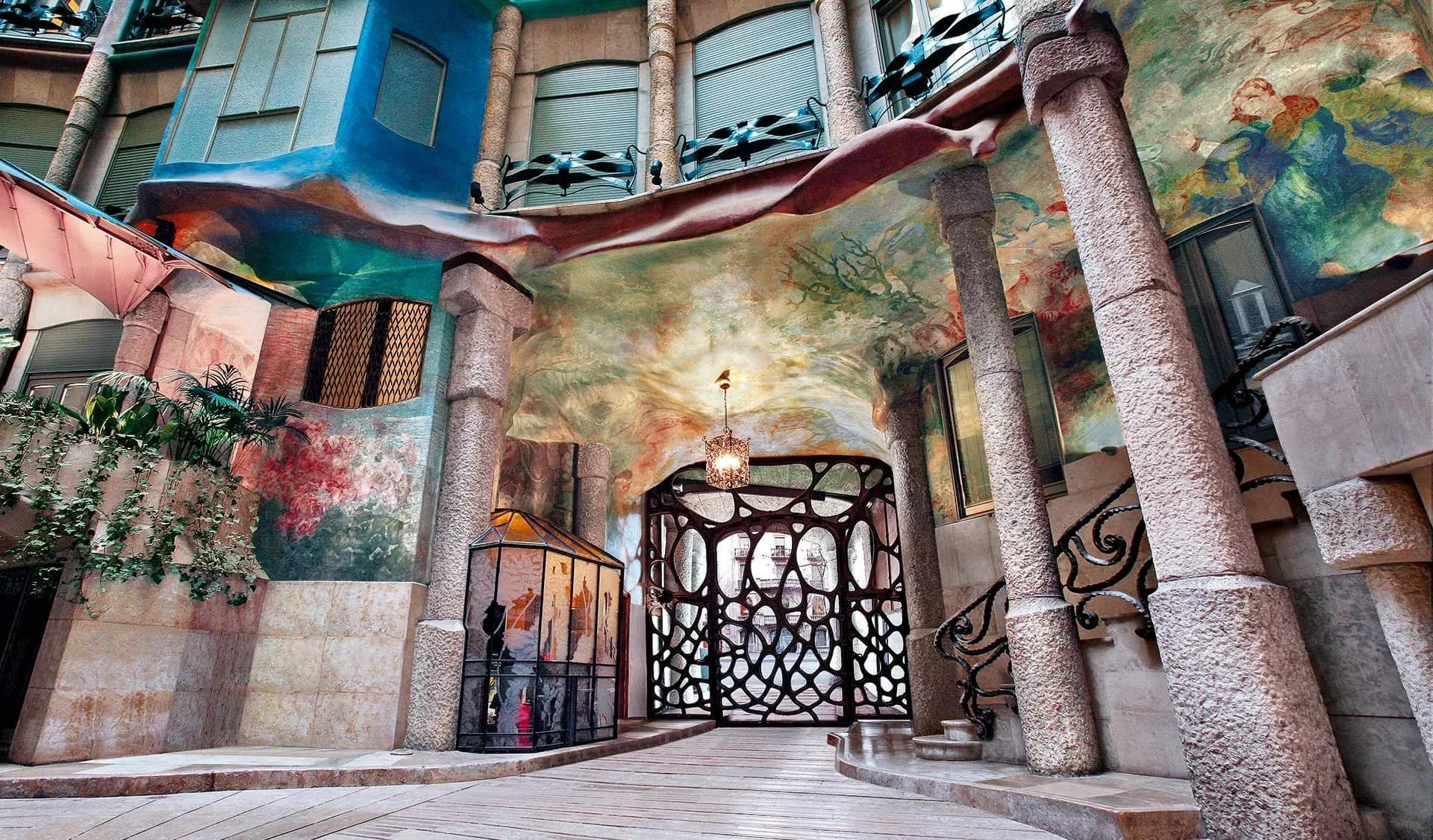
Lungs of the Building: Light Wells, Courtyards, and Color
Twin courtyards act as La Pedrera’s lungs, delivering daylight and fresh air through painted plaster, calibrated openings, and meticulous sectioning.
→
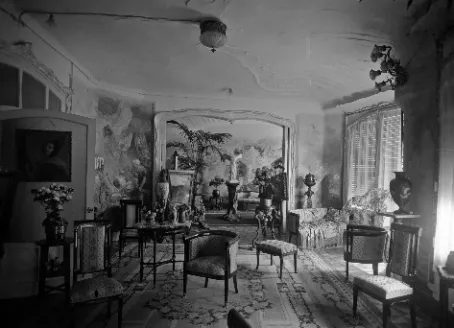
Apartments as Ecosystems: Free Plan, Comfort, and Daily Life
Inside Casa Milà, Gaudí and collaborators craft adaptable apartments with ventilation, daylight, and details that elevate everyday living.
→
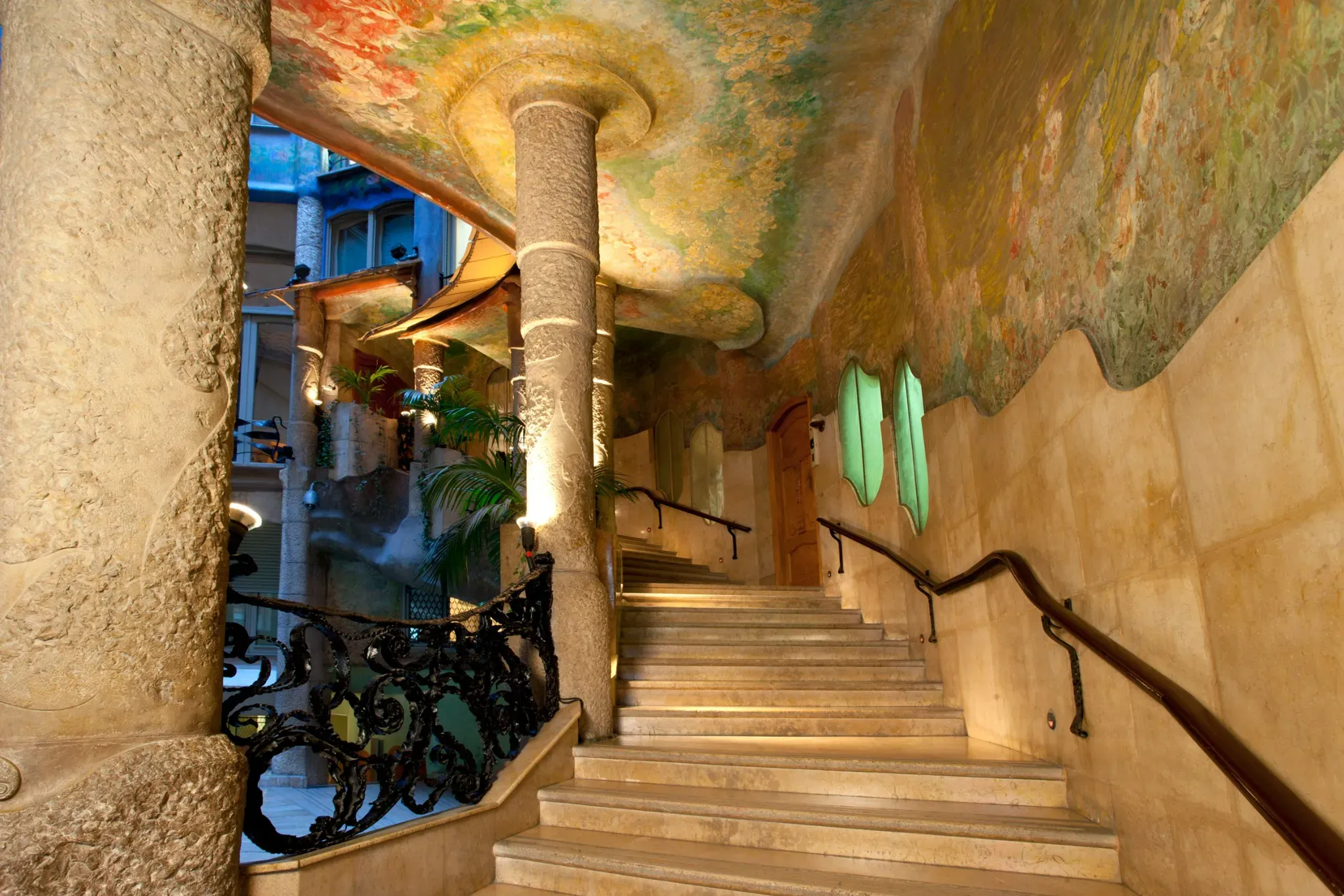
Movement Through Curves: Stairs, Ramps, and Helical Circulation
Gaudí’s circulation strategy prioritizes ease, safety, and fluid movement using ramps, stairs, and curved geometries that guide the body.
→
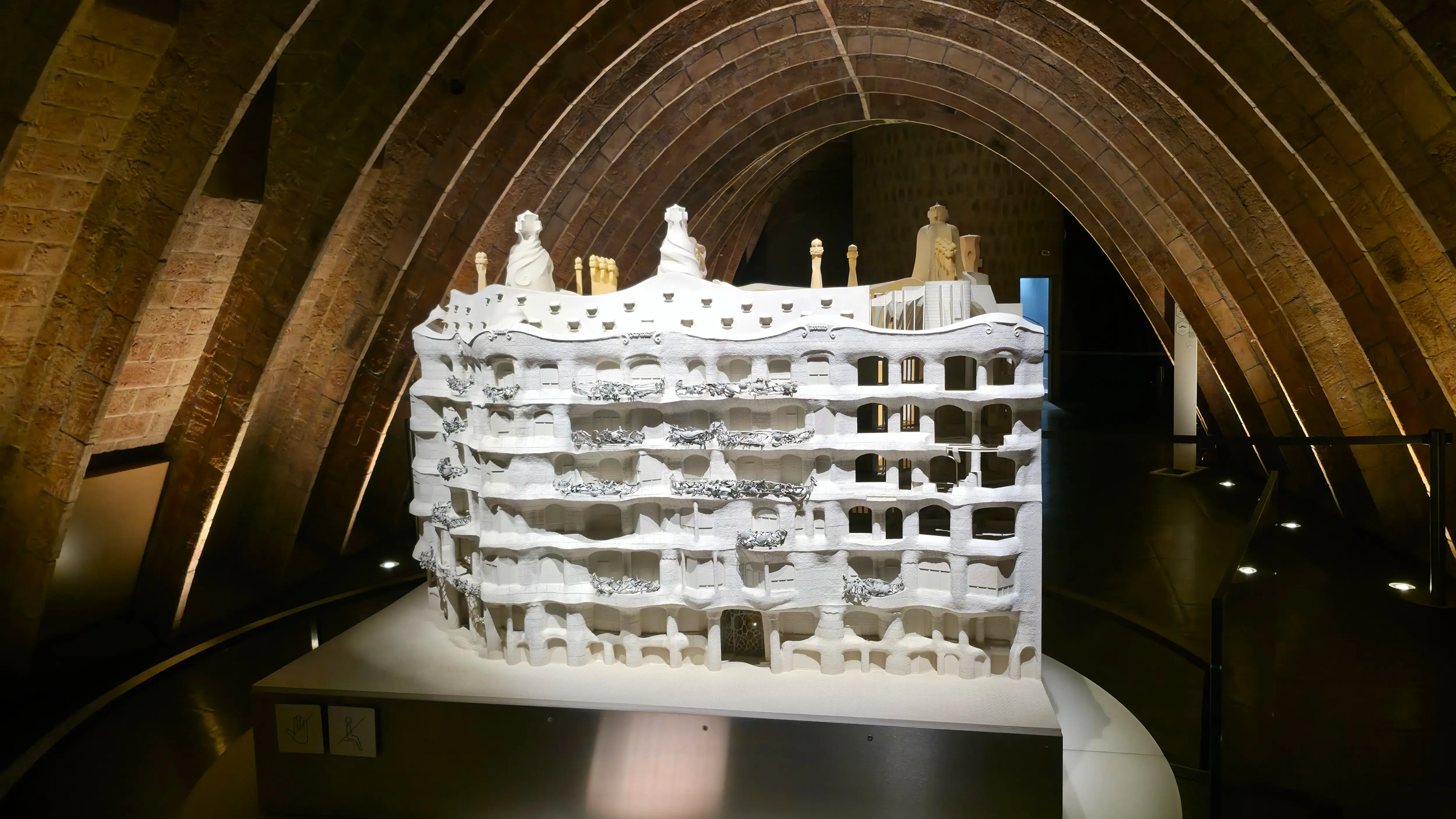
Models and Methods: From Catenary Arches to Built Reality
Gaudí’s workshop tested geometry in models and mock-ups, translating catenary logic, plaster trials, and iterative craft into durable architecture.
→
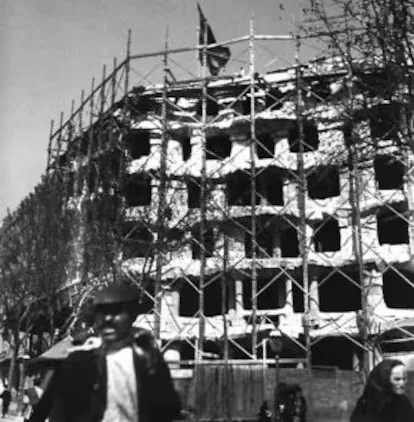
Commission and Construction: The Milà Family, City Hall, and a Bold Urban Experiment
From commission to completion, Casa Milà navigated ordinances, budgets, and public opinion — a story of ambition and negotiation on Passeig de Gràcia.
→
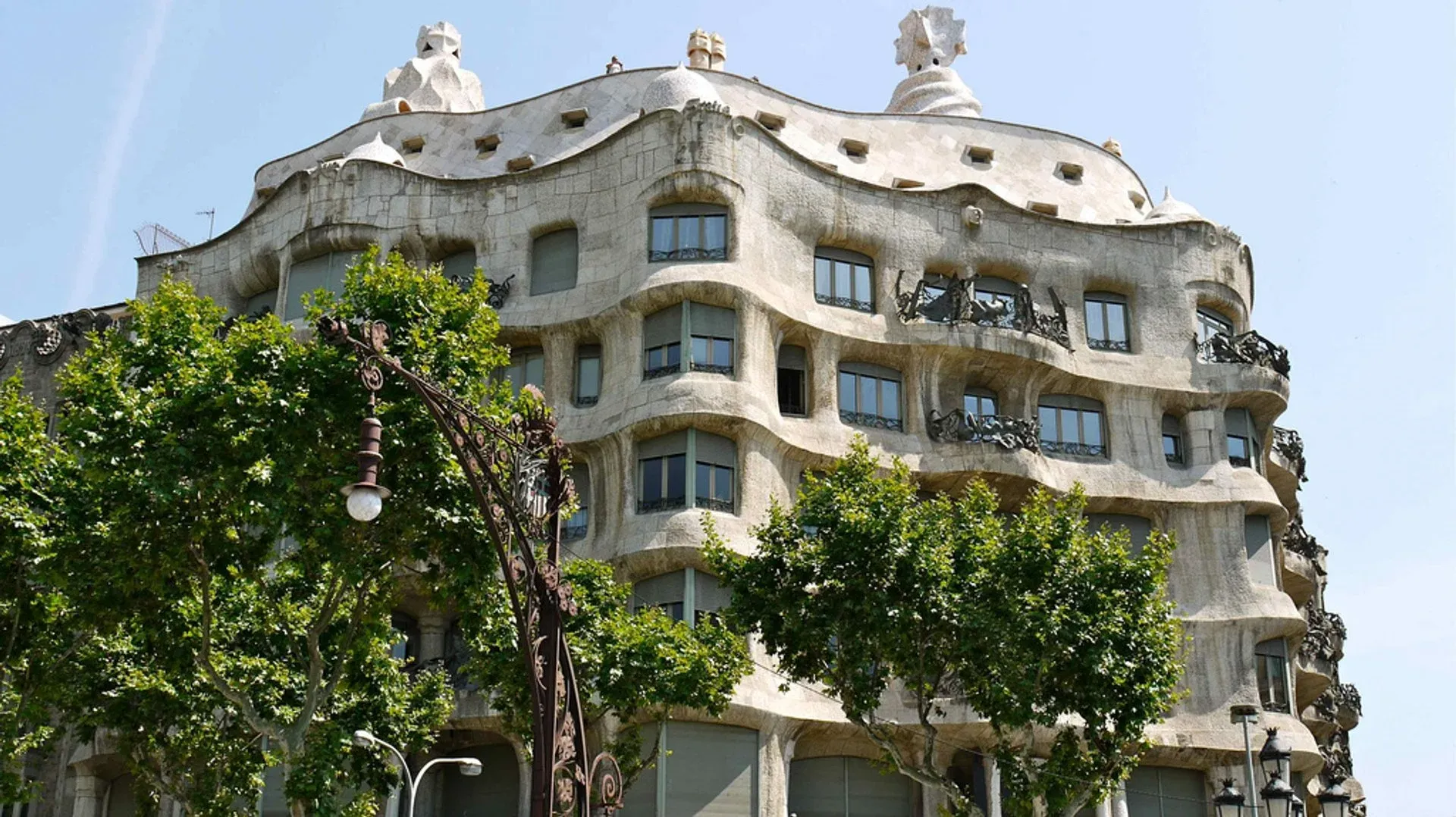
Care and Conservation: Keeping Stone, Iron, and Color Alive
La Pedrera’s conservation blends science and craft: cleaning limestone, protecting iron, and restoring painted surfaces to preserve Gaudí’s intent.
→
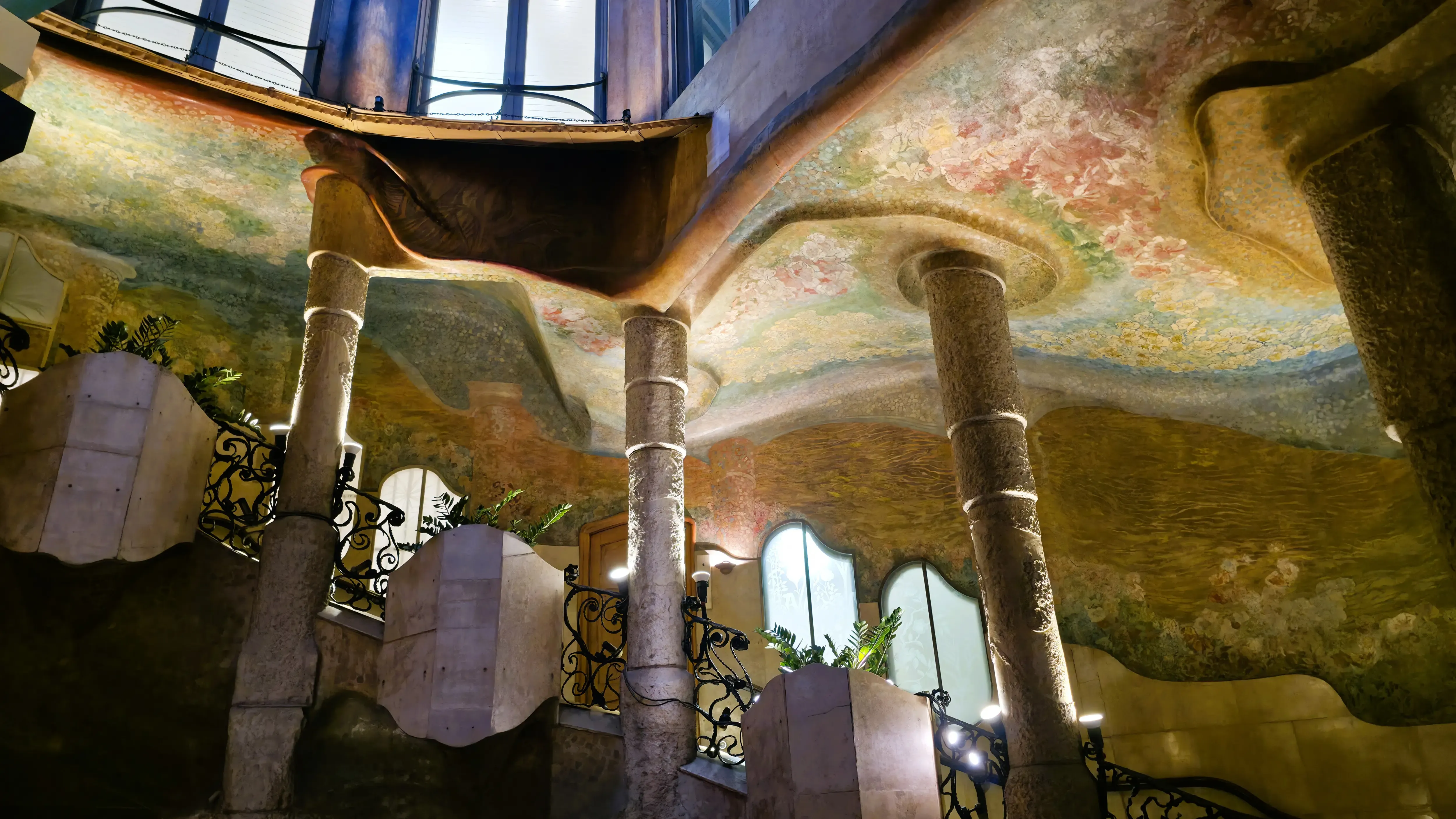
Night Experience: Light, Sound, and the Rooftop Guardians
At night, La Pedrera transforms into an immersive stage: projections, soundscapes, and guided routes animate the rooftop guardians and courtyards.
→
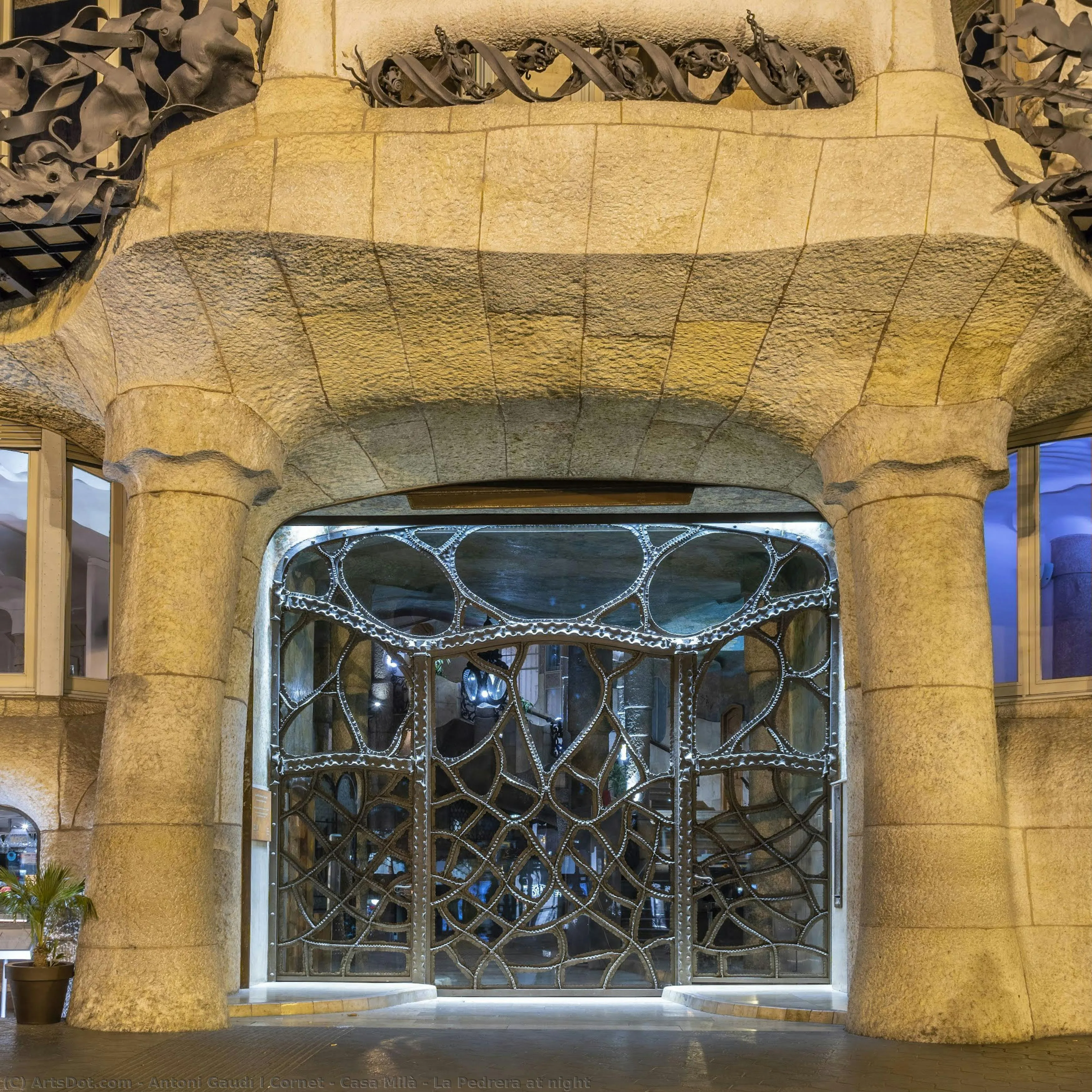
Visiting Casa Milà: Tickets, Routes, and Best Times
Plan a smooth visit: ticket types, suggested routes, time-of-day strategies, and how to pair La Pedrera with nearby Modernisme landmarks.
→
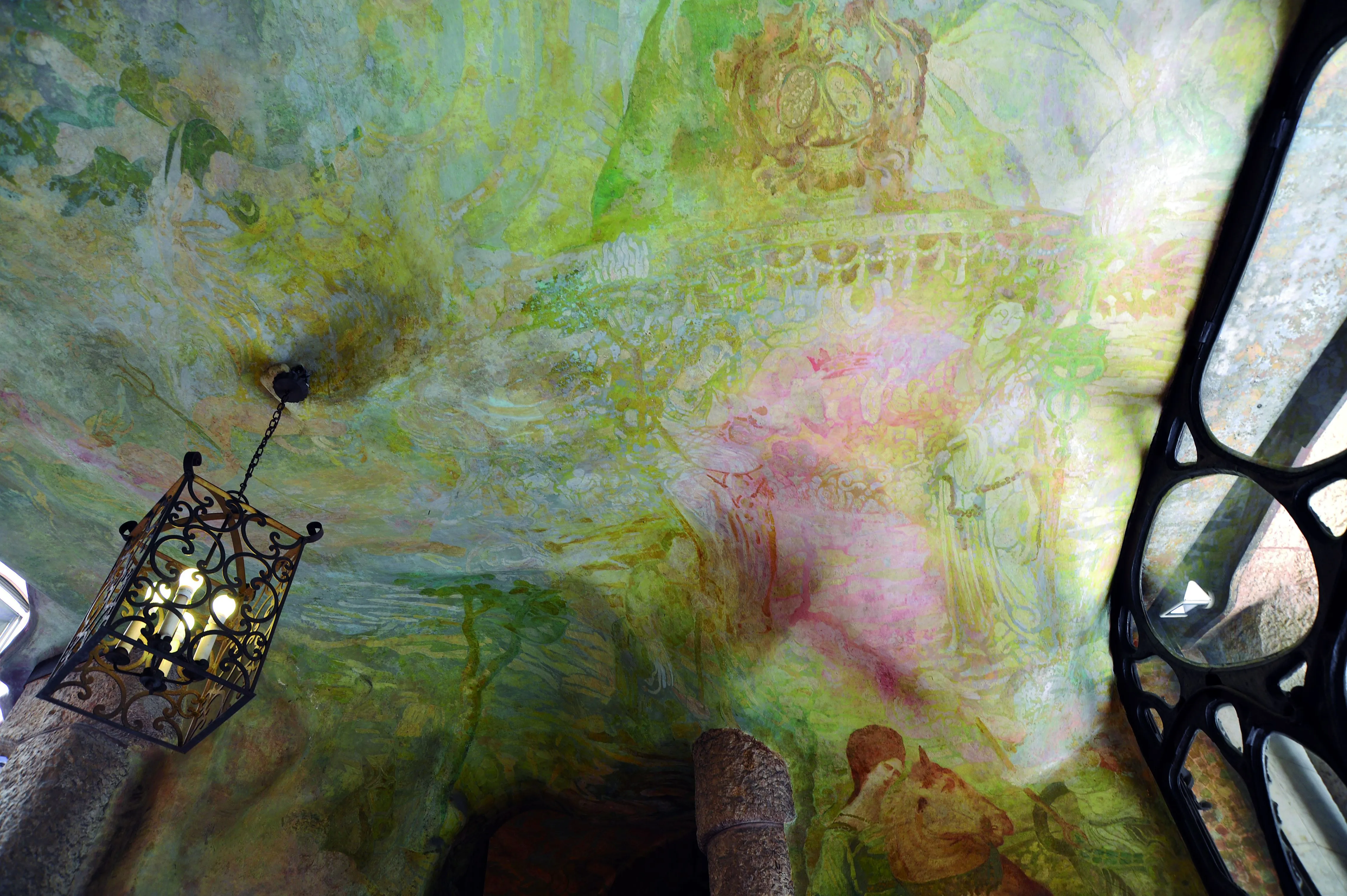
Symbolism and Modernisme: Nature, Faith, and Urban Poetry
Decode La Pedrera’s symbolic language: marine motifs, subtle spiritual references, and Modernisme’s fusion of arts within a modern city house.
→
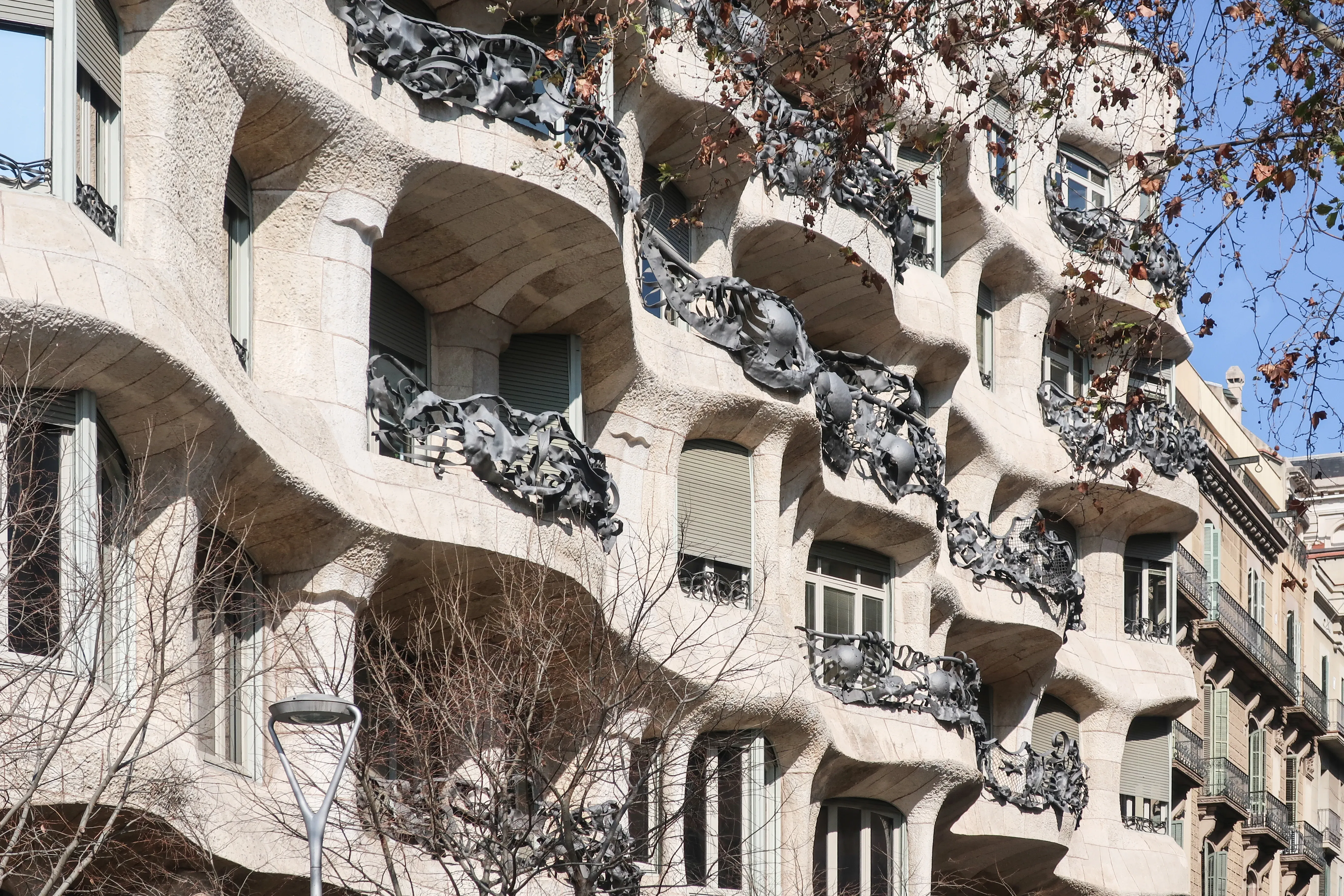
Ironwork Balconies: Artisans, Techniques, and Marine Imagery
The balconies of La Pedrera are forged poems: wrought iron beaten, twisted, and composed into marine forms that animate the stone waves.
→

Painted Ceilings and Decor: Color, Pattern, and Domestic Joy
La Pedrera’s interiors glow with painted ceilings, wallpapers, and textiles that turn everyday rooms into immersive atmospheres.
→
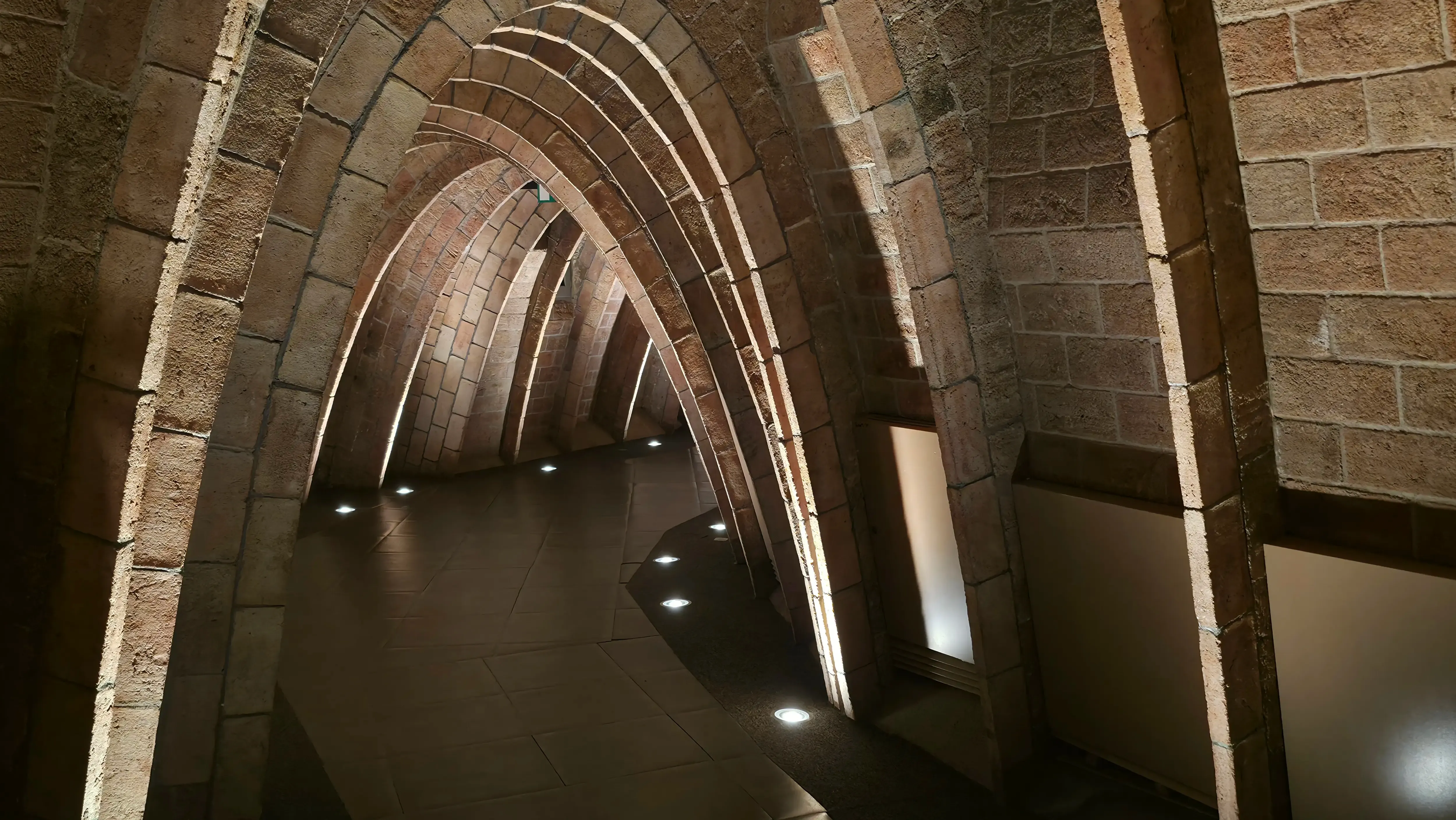
Museum and Exhibitions: Attic Arches, Models, and Changing Shows
Explore the museum: attic catenary arches, Gaudí’s methods, and rotating exhibitions that connect La Pedrera to art, design, and science.
→
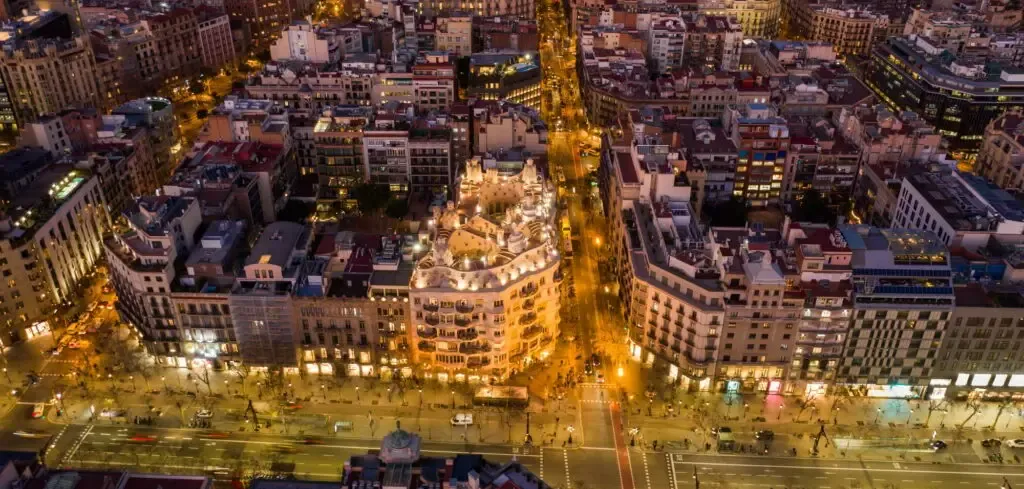
Pedrera vs Batlló: Two Visions on Passeig de Gràcia
Compare Casa Milà and Casa Batlló: stone vs ceramic, rooftop guardians vs dragon spine, and two approaches to urban delight.
→
La Pedrera in Culture: Cinema, Photography, and Public Imagination
From early photographs to film scenes, La Pedrera’s forms inspire visual culture and public imagination across generations.
→

Getting There: Location, Transport, and Neighborhood Walks
Find Casa Milà with ease: metro, buses, and walking routes — plus nearby cafes and design shops along Passeig de Gràcia.
→
La Pedrera FAQ: Practical Answers for a Better Visit
Answers to top questions: accessibility, photography, timing, and what’s included in day vs night tickets.
→
Structure and Systems: Catenary Arches, Ventilation, and Craft Logic
A technical reading of La Pedrera: attic arches in compression, façade as self-shading system, and rooftop forms integrating ventilation.
→

Windows and Materials: How Light Meets Stone and Iron
A material study: glass, stone, and iron negotiating light, privacy, texture, and durability in La Pedrera’s interiors and façade.
→
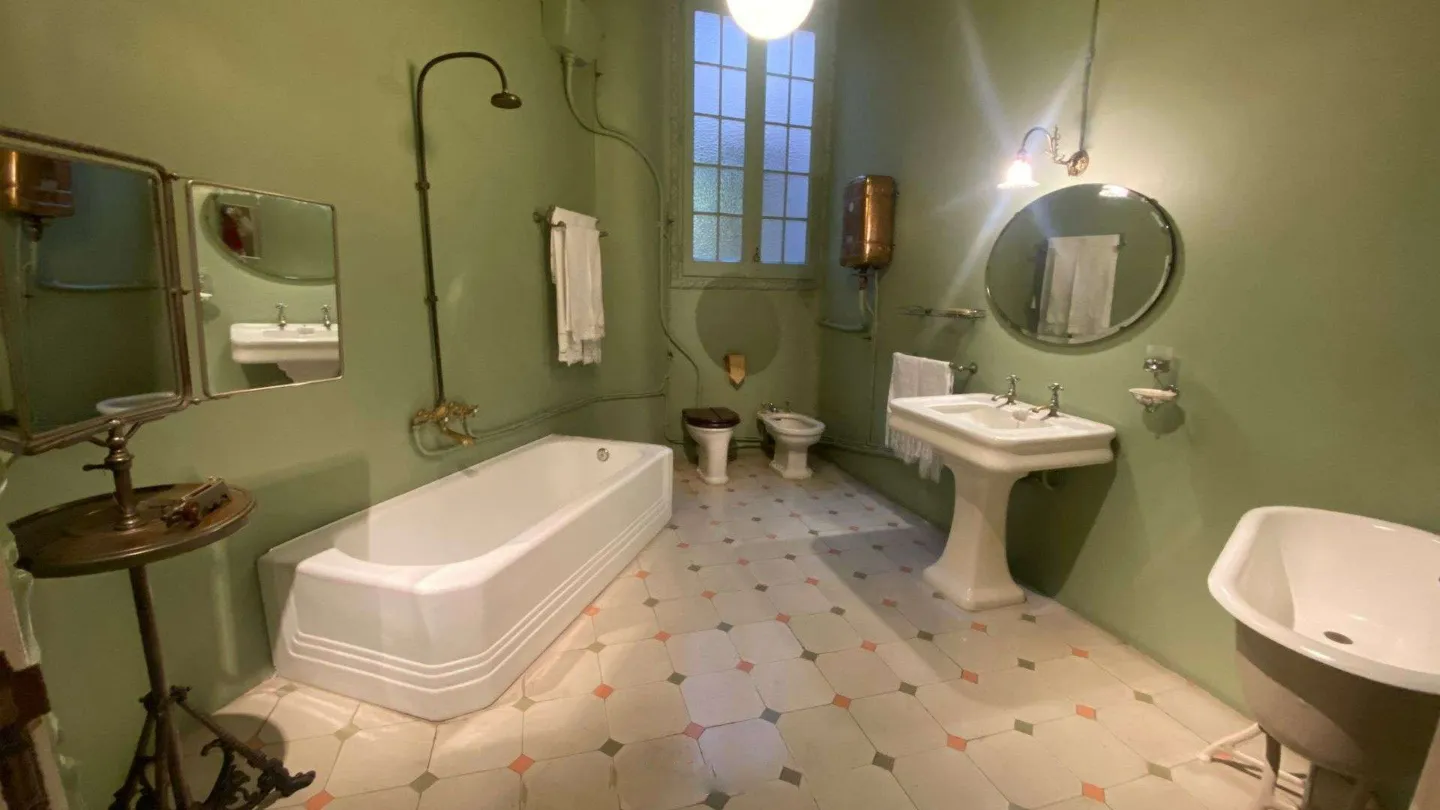
Bathrooms and Kitchens: Early Modern Conveniences and Daily Routines
See how La Pedrera integrated modern fixtures and layouts into bathrooms and kitchens, balancing hygiene, efficiency, and style.
→

Attic Arches: A Forest of Catenaries
Walk through the attic’s catenary forest — a rhythmic, structural landscape that reveals Gaudí’s gravity-based design logic.
→
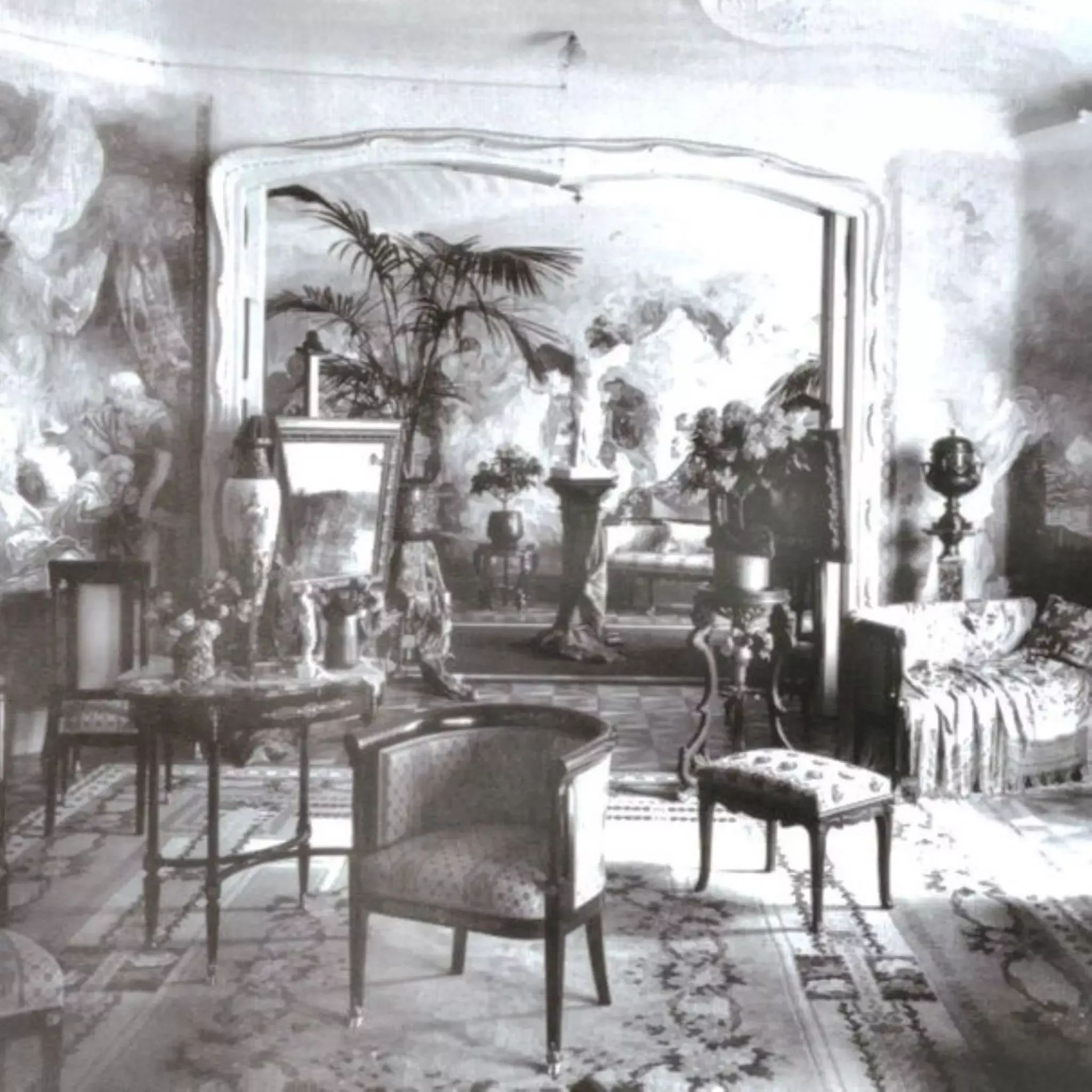
Apartment Life: Stories, Furniture, and Everyday Barcelona
Period rooms and artifacts narrate how families lived at La Pedrera: furniture typologies, daily routines, and social rhythms.
→
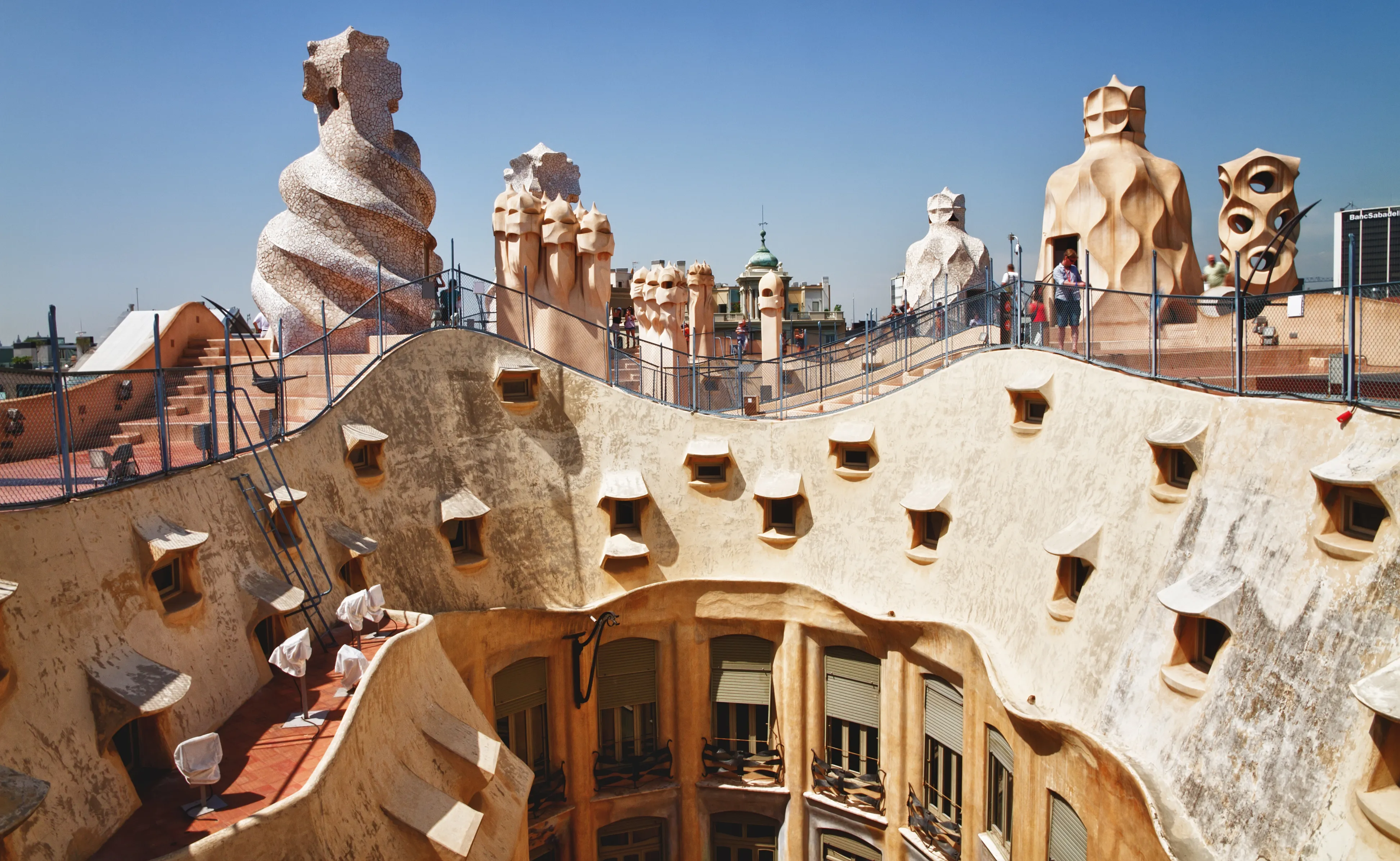
Stair Drums as Shells: Rooftop Entries and Spatial Drama
The rooftop stair drums act like shells: spiraling forms that crown circulation and choreograph your arrival into sunlight.
→
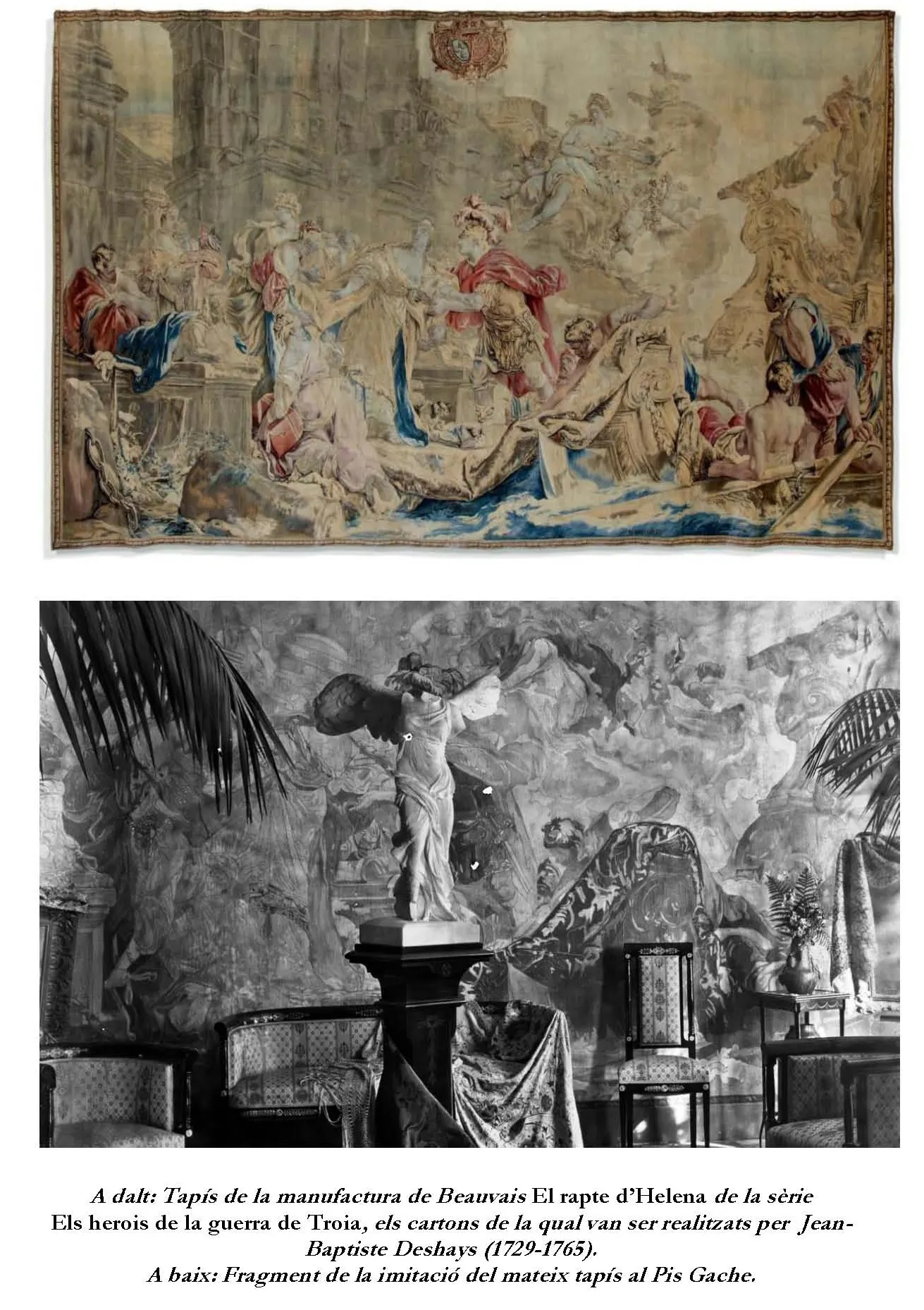
Walls and Textiles: Acoustics, Warmth, and Tactile Comfort
From plaster to tapestries, La Pedrera’s walls and textiles shape acoustics, warmth, and the tactile experience of home.
→
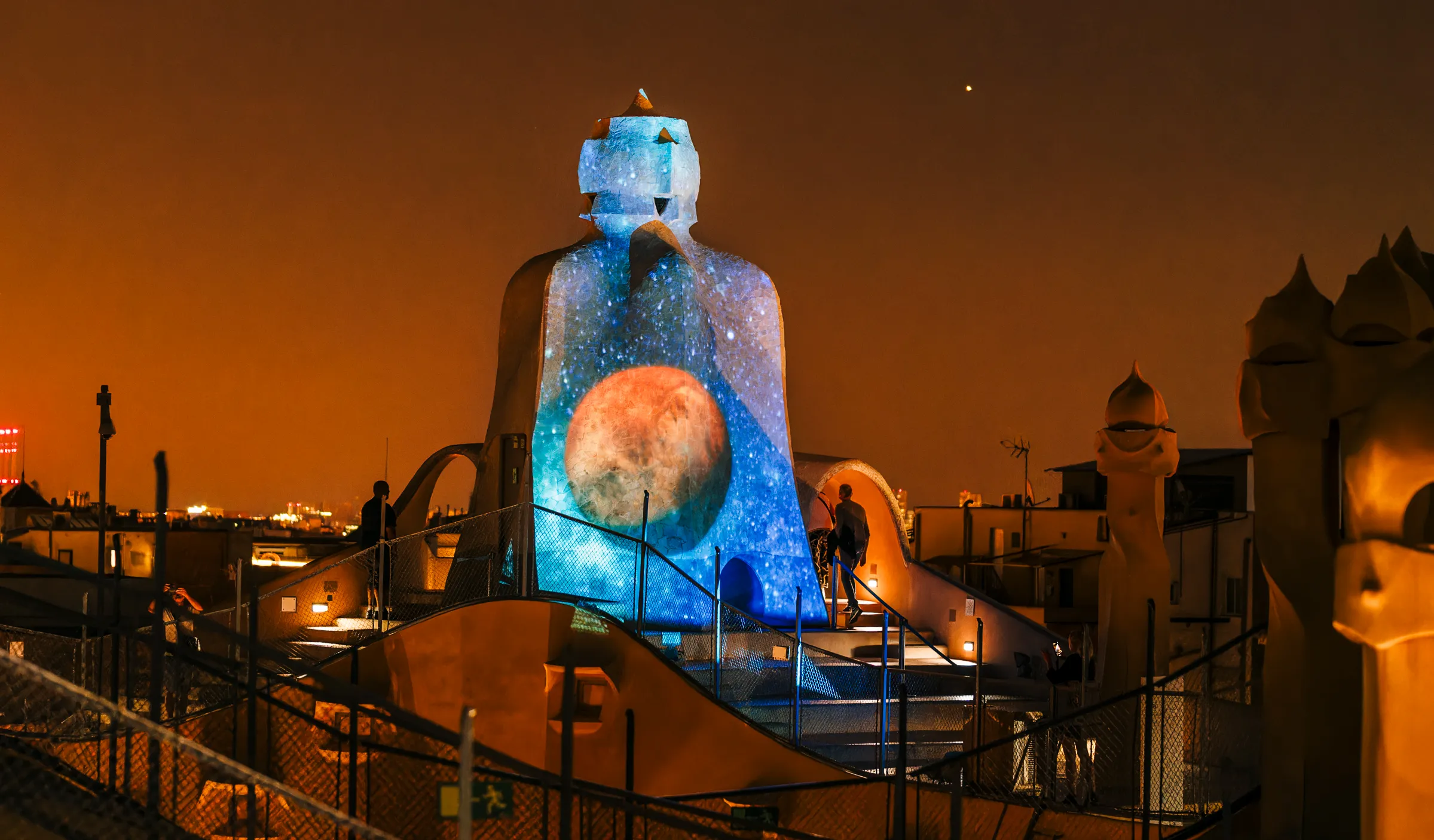
Night Rooftop Photography: How to Capture the Guardians
A quick guide to photographing La Pedrera’s rooftop at night: angles, exposure, and safety for memorable images.
→
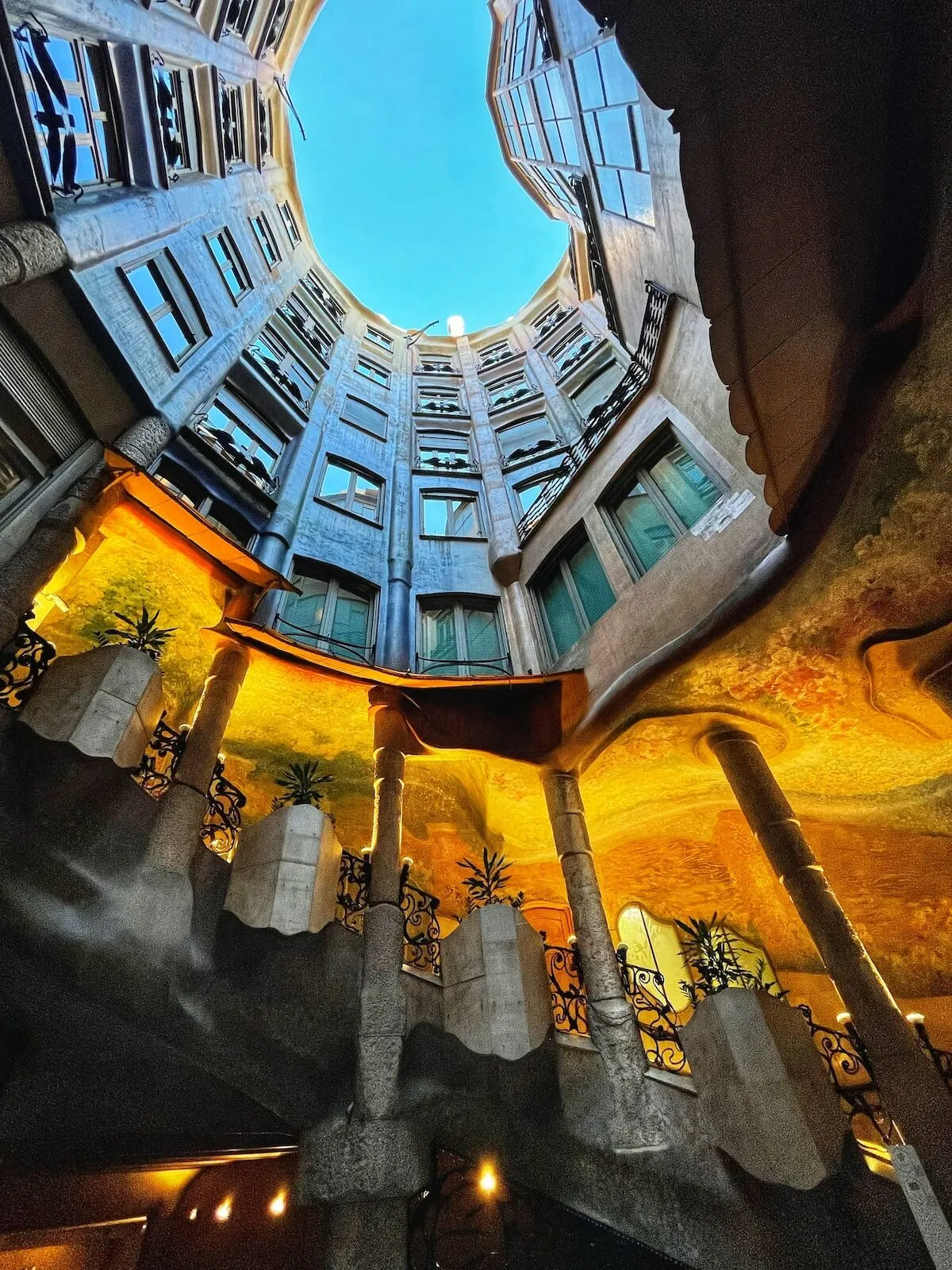
Interior Stairs: Details, Daylight, and Rhythm
Inside La Pedrera, stairs choreograph movement with daylight cues, iron details, and a rhythm that balances safety and elegance.
→

Window Compositions: Privacy, View, and Light Gradient
How La Pedrera composes windows for privacy, view framing, and light gradients across rooms and corridors.
→